
"Before Menaia, I was able to manage 3 to 4 crews a day. Now I can run anywhere between 10 to 12 in 2 different locations."

Luis Guerra, Operations Manager
Attic Projects
Which runs are being replaced? Who is handling access? What did the homeowner agree to? Put those answers beside the estimate, crew schedule and photos so the plumber arriving tomorrow has more than an address.
No long-term contract · Live and set in a week · 14-day free trial
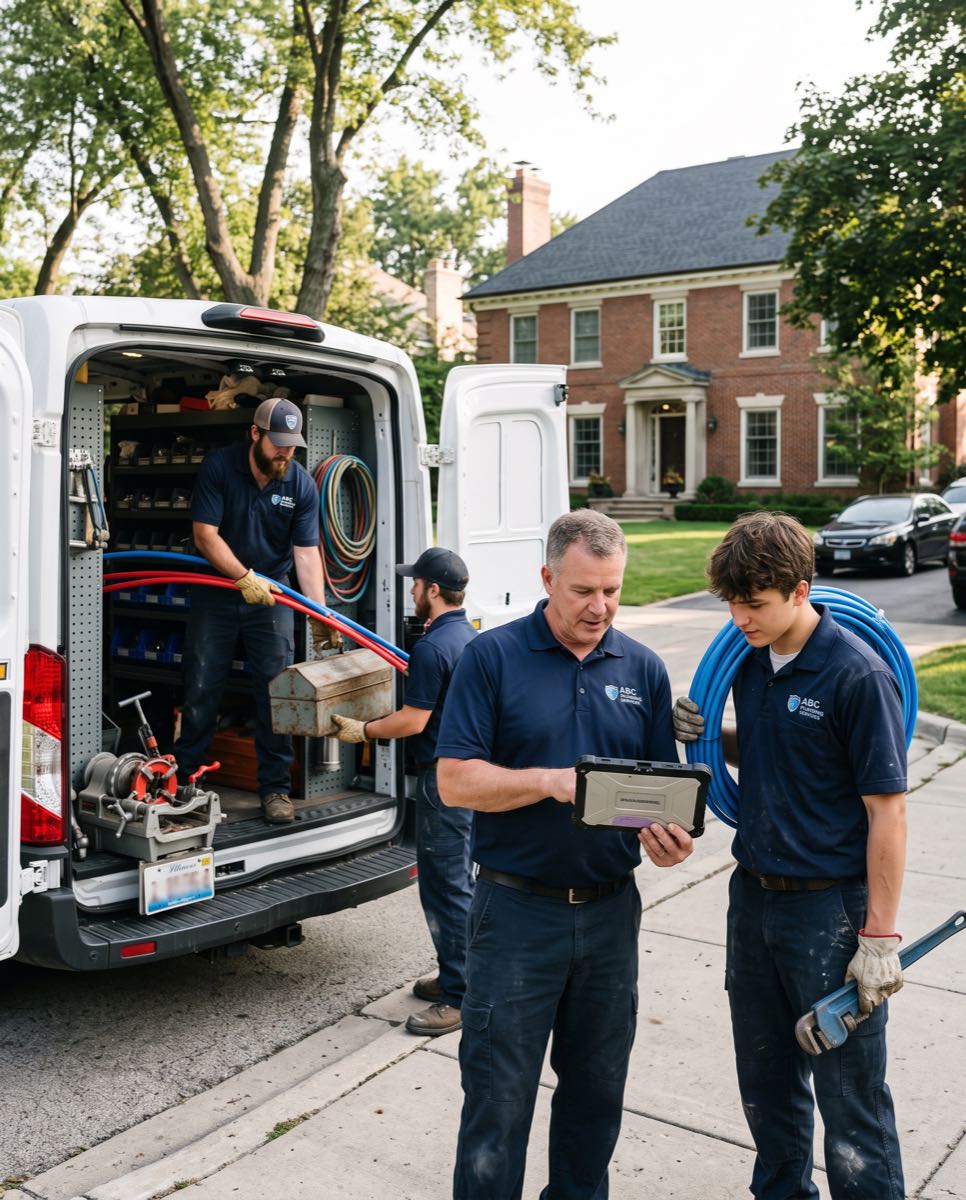
Built hands-on with working service businesses.





A plumbing office may book a water-heater visit and a multi-day repipe in the same morning. The useful system is the one that keeps the small call moving while preserving the detail on the bigger job.
The person who quoted the repipe knows the access constraints, but the assigned crew sees only a job name.
The fix
With Menaia, the client, property and estimate items follow the approved quote into the work order.
Materials are counted, but the labor allowance treats every route through the house as equally accessible.
The fix
With Menaia, your catalog items and labor inputs let you price the actual work areas before reviewing the total.
The crew gets a time target for replacement work while testing and the agreed closeout still need time.
The fix
With Menaia, the estimate supplies an explicit labor budget that you can review against all recorded job shifts.
A homeowner assumes a fixture or repair is included because the proposal never makes the boundary clear.
The fix
With Menaia, the proposal presents the selected scope for review and signature before the crew starts.
The office promises a service visit without seeing the plumber's existing project assignment.
The fix
With Menaia, the scheduler can inspect that person's shifts and appointments before changing the day.
Different plumbers work different hours on the repipe, and a flat explanation leaves the shares unclear.
The fix
With Menaia, the hours-saved pool is divided by each person's recorded contribution to the job.
Completion photos are in texts and the repipe line items are in another document.
The fix
With Menaia, the estimate supplies the invoice lines while the project record holds the crew's media.
A healthy sales total does not explain which longer jobs consumed more labor than planned.
The fix
With Menaia, you can examine the estimated and actual hours on the repipe instead of judging it by revenue alone.
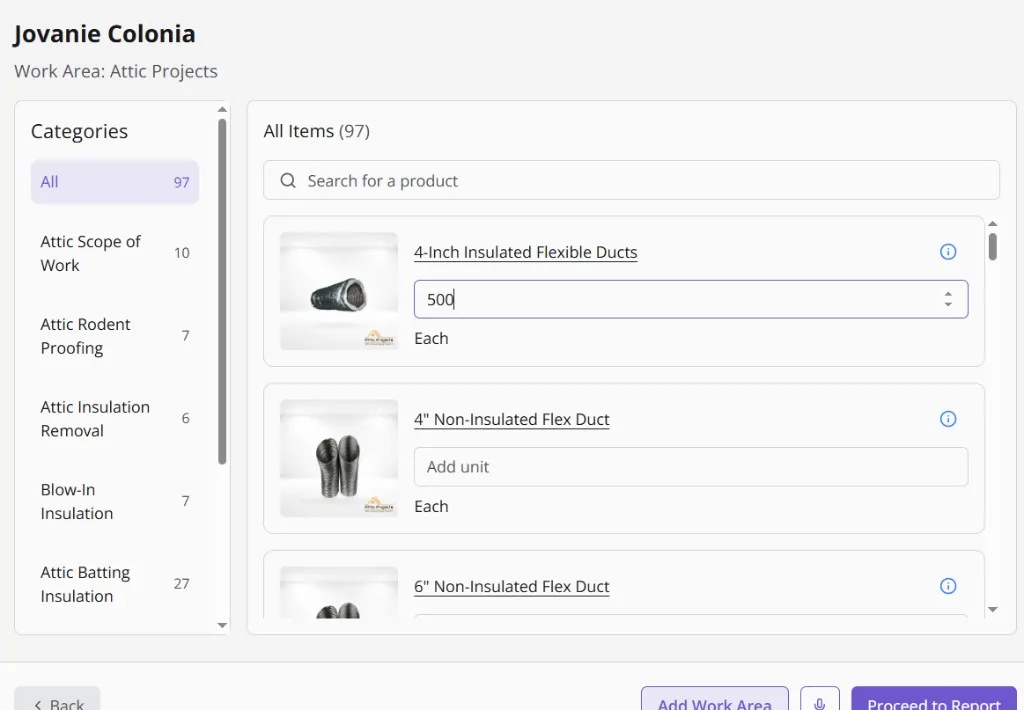
For a whole-home repipe, begin by agreeing which supply runs and fixtures the work touches. Record access notes on the property. Then build the estimate by work area, using your own pipe, fittings and labor items. The point is a scope another plumber can pick up without repeating the walkthrough.
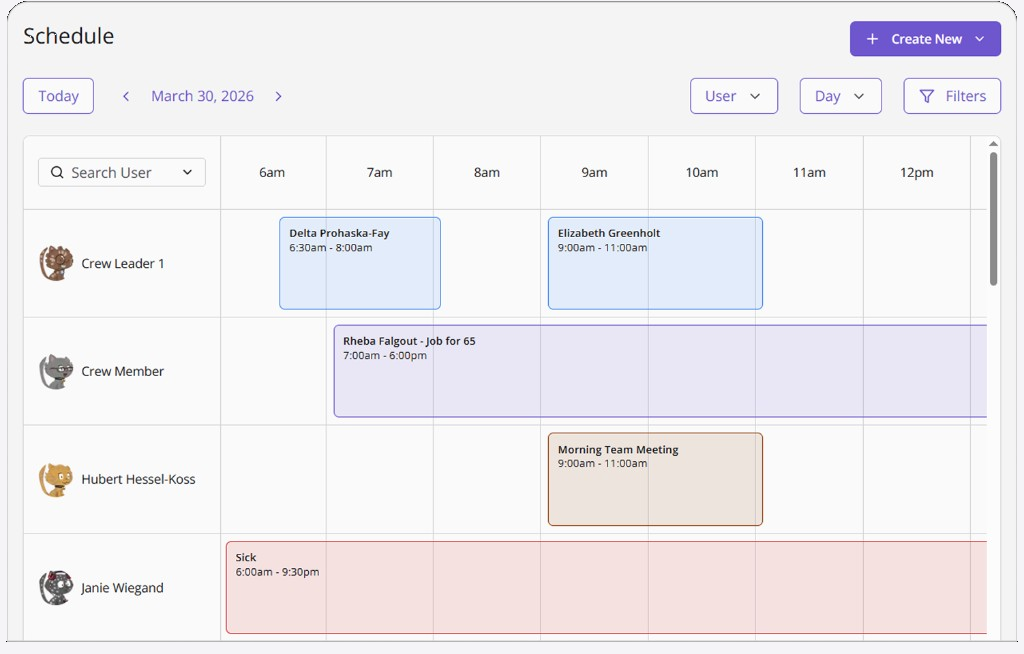
Suppose a service request arrives on the second morning of a repipe. Look at the current assignments before choosing who can attend. Draft the changed shifts, check the remaining project coverage, and publish when the office has a workable plan.
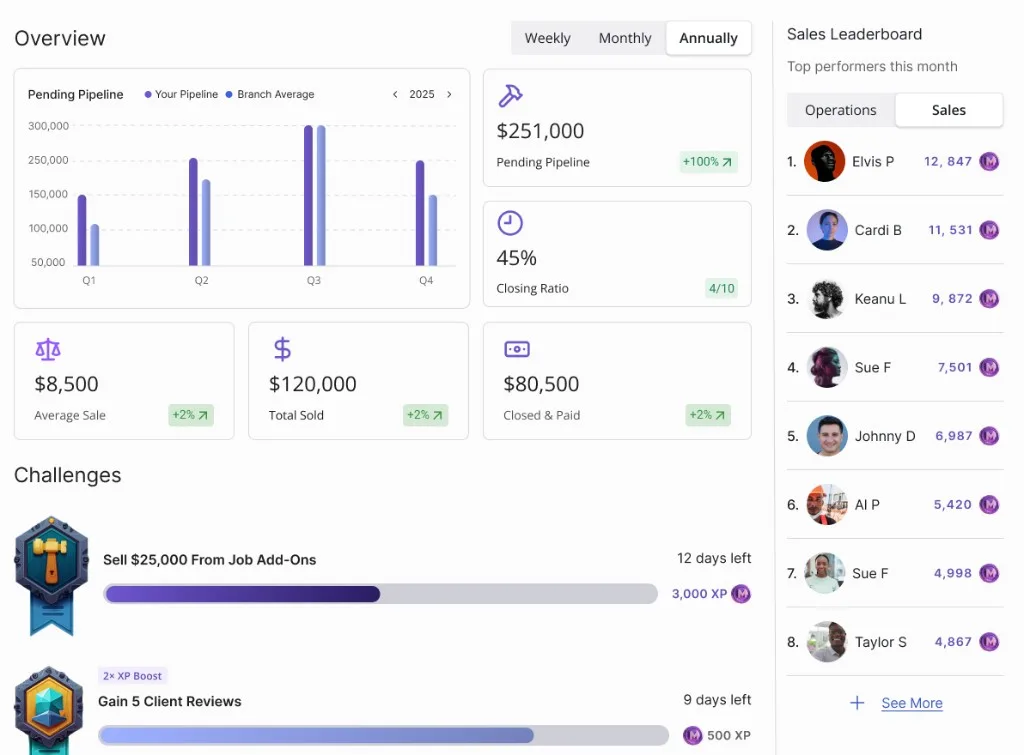
A crew that shares a multi-day job needs a clear account of the hours and the payout. Menaia uses the difference between estimated and actual labor, your branch rate, and your pool percentage to calculate the bonus.
Invoicing, payments, project forms, team feeds, and more. Book a demo and we'll walk you through every feature live.
Menaia runs on simple terms for plumbing businesses: clear plans with seats included, extra users at $35 a month, hands-on onboarding, and no long-term contract. We grow when you grow, so we would rather get you winning first.
A short customer story and a few words from the Attic Projects team on what changed after the switch.

"Before Menaia, I was able to manage 3 to 4 crews a day. Now I can run anywhere between 10 to 12 in 2 different locations."

"Payroll used to take me all day long, and now I can be done with my times in about 15 minutes in a day."

Yes. Your price book supplies the items and costs for the calculator, including the pipe runs and labor you choose to quote. Those tools start on Core. Menaia organizes and prices your inputs; the plumbing scope still comes from your walkthrough.
Property records hold access information, and the job carries the scope. In the project gallery, create folders that match your repipe stages. Plumbers upload media to the project so the office and the next person on site can find it.
The call or text lands in the business inbox. Calls have transcripts and summaries, and Meni can prepare a response. A team member reviews the request and approves the reply. The office remains responsible for confirming the service visit.
Ask “Draft a check-in on this unsigned repipe estimate.” Meni uses the estimate and conversation already recorded in Menaia to prepare the message. Read the draft for the agreed inclusions before approving it, especially if access or fixture choices are still being discussed.
Bonus math follows the estimated and actual hours on each job. Keep service-call shifts attached to the service job and repipe shifts attached to the repipe. If a completed job is reopened before the payout cutoff, its payouts are recalculated; after cutoff they are final.
On monthly billing, Core covers five people for $199.99, with the price book, calculator and 6,000 tokens included. Extra seats are $35 each. Phone use and Meni draw from the allowance, so include your service-call volume when comparing plans. The trial lasts 14 days and supplies 1,500 tokens.
Gather your repipe and water-heater catalog items, customer and property records, and one open project. Guided onboarding and data migration are included. Check that a plumber can read the scope, upload a photo and find the next shift before moving the rest of the crew over.
Bring a recent scope and the service schedule around it. We will trace the quote, crew assignments, field photos and invoice so your office can judge the fit.
Select a time to continue